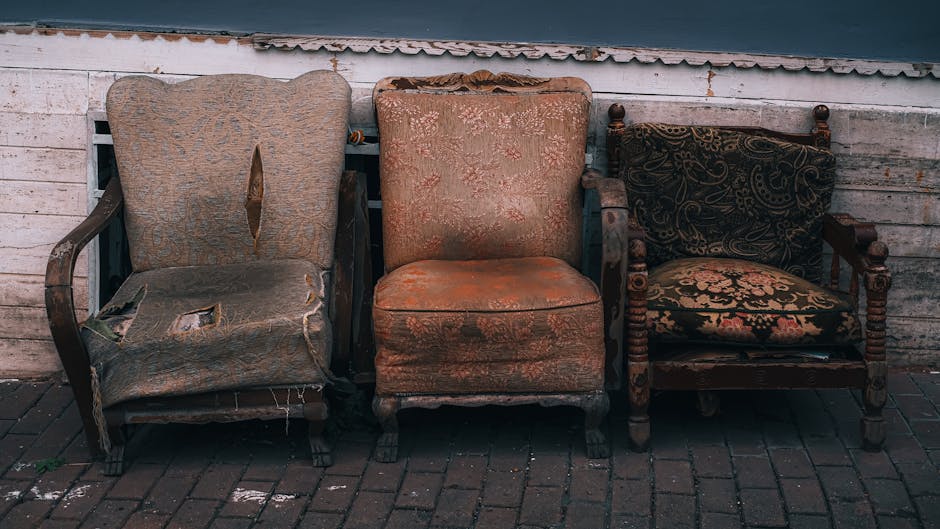
Damaged Furniture Claims After a Tottenham Hale Move: What to Do, What to Check, and How to Protect Your Claim
Finding a scratched table, a split wardrobe panel, or a sofa with a torn arm after moving day is a gut-punch. One minute you're unpacking in Tottenham Hale, and the next you're staring at damage that wasn't there before. Damaged furniture claims after a Tottenham Hale move can feel awkward, stressful, and oddly time-sensitive. The good news? If you handle it calmly and in the right order, you give yourself a much better chance of resolving things properly.
This guide walks you through what counts as a valid claim, how to document the damage, what movers usually expect, and how to avoid the mistakes that weaken a complaint before it even gets started. It also helps you tell the difference between true transit damage and wear that was already lurking in plain sight. Let's face it, moving furniture through narrow hallways, stairwells, and busy London streets is rarely gentle.
Why Damaged Furniture Claims After a Tottenham Hale Move Matters
Furniture damage during a move is more than an inconvenience. It can affect your budget, your move-in schedule, and sometimes your relationship with the removal team if the issue is not raised properly. A chipped dining table might be cosmetic. A damaged bed frame, smashed cabinet runner, or broken piano leg is a different matter entirely. The distinction matters because claims work best when the damage is clearly described, timed, and supported by evidence.
Tottenham Hale moves often involve flats, shared entrances, loading restrictions, and quick handovers. That means the pressure is on: items can be moved under time constraints, in awkward weather, or down stairwells where one bad angle is enough to cause a knock. If you know what to look for, you can protect yourself before frustration takes over.
There is another reason this matters. A clear, well-structured claim helps everyone. It gives the mover a fair chance to assess the situation, and it helps you avoid the classic "I'm sure it was fine before" argument that goes nowhere. A tidy claim is just easier to resolve. Bit boring, perhaps, but true.
For readers preparing a relocation in the area, it can also help to plan the move properly in advance. A service overview such as the range of removal services available in Tottenham Hale can be useful background when you are deciding how much handling support you need for valuable furniture.
How Damaged Furniture Claims After a Tottenham Hale Move Works
Most furniture damage claims follow a similar pattern, even if the wording differs from one removal company to another. First, you identify the damage and check whether it was recorded before the move. Then you notify the company as quickly as possible, ideally in writing. After that, the mover reviews the details, asks for evidence, and decides whether the claim falls within their own terms and any insurance arrangement they provide or arrange.
In practice, the claim will usually revolve around a few questions:
- Was the item damaged before collection?
- Was the damage caused during loading, transit, or unloading?
- Was the item packed, wrapped, or disassembled properly?
- Was the item especially fragile, oversized, or already weakened?
- Was the damage reported promptly, with photos and supporting notes?
That last point is the one people often underestimate. A delay of a day or two can muddy the waters, especially if the furniture has already been moved again or used. A clear time-stamped photo taken as soon as you notice the issue is worth far more than a vague memory later on.
If your move involved a flat, and access was tight or stair-heavy, it can help to compare what happened with the type of service booked. For example, a flat removals service in Tottenham Hale is often better suited to awkward access than a quick lift-and-go approach. The job specification matters, really.
It is also wise to know the difference between a complaint and a claim. A complaint is a broader expression of dissatisfaction. A claim is a specific request for remedy, usually because an item was damaged or lost. If things become more complicated, the company's complaints procedure may outline how issues are reviewed and escalated.
Key Benefits and Practical Advantages
Handling damaged furniture claims properly is not just about compensation. It also creates clarity, reduces stress, and gives you a paper trail if the issue needs escalation. The benefits are practical, not theoretical.
- Faster resolution: The sooner you report damage, the easier it is to investigate.
- Stronger evidence: Photos, notes, and inventory records are more persuasive than memory alone.
- Better fairness: A well-documented claim helps separate move-related damage from pre-existing wear.
- Reduced friction: Clear communication usually keeps conversations professional, even if the day felt messy.
- More confidence next time: Once you know how claims work, future moves feel less risky.
There's also a hidden advantage: the process makes you more careful before the move, which is no bad thing. People start checking for loose legs, soft spots, scuffed corners, and weak joints. That extra attention often prevents the claim in the first place. Which is, to be fair, the best outcome of all.
If you are moving a mix of standard items and delicate pieces, you may want to use a specialist route for the more complex objects. For example, the guidance on moving pianos in Tottenham Hale shows why certain items need specialist handling, not just muscle and optimism.
Who This Is For and When It Makes Sense
This topic matters to anyone moving furniture in or out of Tottenham Hale, but some people need it more urgently than others. If you are moving out of a rental, you may need proof that your belongings were handled properly before deposit disputes and handover deadlines pile up. If you are a homeowner, you may simply want to make sure an expensive item is repaired or replaced without a prolonged back-and-forth.
It is especially relevant for:
- tenants who are moving between flats and need a quick inventory check
- families moving large wardrobes, beds, dining sets, or sofas
- students with budget furniture that still matters a lot when money is tight
- small businesses relocating office furniture or meeting-room items
- anyone booking short-notice help, where time pressure can lead to rushed handling
If you are moving on a tight schedule, a same-day booking can be useful, but it also means the move may be more compressed. That is not a criticism; it is simply a reality to plan around. If your situation is urgent, it may be worth looking at same-day removals in Tottenham Hale while keeping a sharper eye on inventory records and condition notes.
People moving in and out of compact homes around the station, or along the Hale Village and Broadwater Farm side of things, tend to notice the same issue: a sofa that looked fine in the lounge can take a nasty knock on a stair turn. That is exactly the kind of thing a claim is meant to address, provided the evidence is there.
Step-by-Step Guidance
Here is a straightforward way to handle the process without overcomplicating it.
- Check the item immediately. Look for dents, tears, missing fittings, split joints, water marks, and any wobbling that wasn't there before.
- Separate new damage from old wear. Be honest with yourself. If a scratch was already there, note it. That honesty strengthens the rest of your claim.
- Take clear photos. Use natural light if possible. Capture wide shots and close-ups. Photograph the whole item, then the damage, then any packaging or surrounding context.
- Keep the item in place. Don't start repairing, cleaning aggressively, or moving it again unless there is a safety reason.
- Check your inventory or move notes. If you listed the item before collection, compare that record with what arrived.
- Contact the mover quickly. Send a concise written message explaining what happened, when you noticed it, and which item is affected.
- Include the evidence. Add photos, reference numbers, and any notes from the mover if you have them.
- Ask what happens next. Make sure you know whether they need a repair quote, a replacement estimate, or a formal claim form.
- Keep every message. Save emails and text messages. If the conversation moves to the phone, follow up in writing afterward. A tiny chore, yes, but a useful one.
If the furniture is part of a larger move and you have still got boxes, wrapping, or packing materials around, keep them until the issue is resolved. This is especially true for upholstered pieces or flat-pack furniture. If you had arranged your move with the help of packing and boxes support in Tottenham Hale, you may already have the materials needed to show how the item was protected.
One practical tip: write your claim as if someone else has to read it in a hurry. Short sentences. Clear facts. No drama. It sounds simple, but it works.
Expert Tips for Better Results
In our experience, the strongest claims are the least emotional and the most specific. That doesn't mean you should sound cold. It just means you should stick to what can be verified.
- Record condition before the move: Take photos of valuable items the day before collection, not just after damage appears.
- Note weak points: If a chair leg is loose or a drawer already sticks, flag it before the move.
- Use a shared checklist: If several people are involved, one person should own the inventory record. Otherwise details get messy fast.
- Be precise about timing: Say when the item was last seen undamaged and when the damage was noticed.
- Keep packaging evidence: If a box was crushed or a blanket slipped, that may explain the fault line.
- Match the service to the item: Specialist pieces need specialist handling. Don't assume every mover or van setup is suitable for every object.
Another small but important point: if you booked extra help for heavy lifting, make sure that service was actually suitable for the kind of furniture you owned. Reading up on moving technique can help here, and so can a practical piece such as safe lifting techniques for heavier items. Not because you should become a one-person removal crew-please don't-but because it shows why leverage, grip, and movement path matter.
And if your move involved long-term storage before or after delivery, it is worth checking whether the item may have been vulnerable before the claim point. A sofa stored badly, for example, can sag or warp. The article on keeping a couch in good condition during storage is a sensible companion read.
Common Mistakes to Avoid
Most weak claims fail for avoidable reasons. The damage may be real, but the evidence is thin or the timeline is fuzzy. That is where people get stuck.
- Waiting too long to report it: Delays make it harder to prove when the damage happened.
- Using blurry photos: Dark, shaky images are frustrating for everyone. Take the extra thirty seconds and retake them.
- Repairing the item too quickly: You may destroy evidence before it has been assessed.
- Not checking the inventory: If you signed off on a condition report, it may affect the discussion later.
- Relying only on verbal complaints: A phone call is useful, but it should be followed by a written record.
- Exaggerating the damage: That usually backfires. Keep it factual.
- Assuming every scuff is claimable: Minor wear and tear may not meet the same threshold as impact damage or structural breakage.
There is also a human mistake people make after a hectic move: they forget which box or room the furniture came from. I have seen that happen more than once. A battered sideboard gets moved, re-moved, and re-labelled before anyone photographs it properly. By then, the trail is gone. Annoying, but very common.
If you know in advance that your move will be complex, choosing a reliable team and reading about their approach to insurance and safety is a sensible step. It won't prevent every issue, but it can make expectations clearer from day one.
Tools, Resources and Recommendations
You do not need fancy equipment to make a good claim. You need clarity, timing, and a few ordinary tools that most people already have.
- Phone camera: For timestamped photos and short videos
- Notebook or notes app: For item names, condition details, and dates
- Inventory list: Helpful for proving what was moved
- Packing materials: Keep them until any issue is resolved
- Calm written summary: A short statement describing what happened
- Repair estimate: If requested, a local repair quote can help show the scale of the issue
For moving-related preparation, the most useful resources are often the ones that reduce risk before the van even arrives. A practical planning read such as advanced packing strategies for moving day can help you protect furniture edges, corners, and fittings better than a rushed last-minute wrap.
If you are decluttering before the move, that can also reduce the number of items at risk. Fewer items means fewer opportunities for damage, which is a very unglamorous but effective little truth. For that, organising and decluttering before a relocation is worth a look.
And if you want the move itself to feel less chaotic, reading how to build a smoother path to your new home can help you think about the whole process in a calmer, more organised way.
Law, Compliance, Standards, or Best Practice
Claims around damaged furniture are usually governed by the mover's own terms and conditions, any insurance arrangement they provide or arrange, and general UK consumer expectations. The exact outcome depends on what was agreed, how the item was handled, and whether the item was already vulnerable or poorly packed.
Best practice is straightforward even when the paperwork is not:
- have a written agreement for the move
- understand what level of cover or liability is included
- check whether fragile or high-value items need special handling
- inspect items on delivery as soon as reasonably possible
- report concerns in writing without delay
For the avoidance of doubt, this article is not legal advice. If a claim becomes disputed, the terms you accepted before the move matter a great deal, and so does the evidence you collected. In commercial or especially high-value situations, it is sensible to keep the process formal and documented from start to finish.
If you want to understand how a company frames its responsibilities more broadly, its terms and conditions and privacy policy can help you see how information and claims are handled. The wider company approach can also be seen through pages like about the team and health and safety policy.
If you are the sort of person who likes to cross every t and dot every i, fair enough. That habit pays off here.
Options, Methods, or Comparison Table
Different ways of handling the issue suit different situations. Here's a simple comparison of the most common approaches.
| Approach | Best for | Strengths | Limitations |
|---|---|---|---|
| Informal complaint | Very small cosmetic issues | Quick, low-pressure, easy to start | May not lead to a formal remedy |
| Written claim with evidence | Most furniture damage cases | Clear, documented, easier to assess | Takes a bit more effort upfront |
| Escalated complaint | Disputed or ignored claims | Creates a formal review trail | Can take longer |
| Repair-or-replace discussion | Items with measurable damage | Often practical and fair | Depends on condition and value of the item |
For many people, the best route is the written claim. It is usually the sweet spot between being too casual and being too heavy-handed. If the matter is unresolved, the complaints route can come next.
Sometimes the right comparison is not claim method versus claim method, but service type versus service type. A general man and van option in Tottenham Hale may suit lighter loads, while a more structured full removals service may be better for larger homes, awkward furniture, or multiple high-value items. That difference matters when you are trying to reduce the chance of damage in the first place.
Case Study or Real-World Example
Imagine a tenant moving from a first-floor flat near Tottenham Hale station into a new place with a tight staircase and a sharp turn at the landing. The furniture includes a bookcase, a sofa, and a solid wood coffee table. On arrival, the tenant notices a new split on one corner of the coffee table and a fresh scuff on the bookcase edge.
What goes well in this situation?
- The tenant takes photos immediately, before unpacking the room.
- The tenant checks the move notes and confirms the coffee table had no damage recorded before collection.
- The tenant emails the removal company the same afternoon with a concise summary.
- The tenant includes images, the item list, and the move date.
- The tenant does not start sanding, painting, or hiding the damage before it has been assessed.
What could have made it weaker? Waiting until the weekend. Tossing the packaging. Saying only "the table was ruined" without stating where or how. None of that helps. The difference between a tidy claim and a messy one is often just fifteen minutes of discipline, and maybe a slightly patient cup of tea afterwards.
If the tenant had needed furniture wrapped or moved into storage first, extra planning could have reduced the risk. In fact, combining move planning with storage options in Tottenham Hale can be useful when timing is awkward, because rushed handovers are where people tend to miss details.
Practical Checklist
Use this quick checklist as soon as you spot damage.
- Inspect the item thoroughly in daylight if possible
- Take wide and close-up photos
- Record the date and time you noticed the damage
- Compare the item with any pre-move notes or photos
- Keep packaging and wrapping materials
- Write a short factual summary
- Contact the mover in writing
- Attach your evidence
- Ask what the next step is
- Save every message until the matter is closed
Expert summary: if you remember only three things, make them these: report quickly, document clearly, and keep your tone factual. That trio does most of the heavy lifting for you.
If your move is still ahead of you, reviewing furniture removals in Tottenham Hale can help you think about protection for awkward items, especially if your home has tight access or delicate pieces that deserve a slower, more careful approach.
Get a free quote today and see how much you can save.
Conclusion
Damaged furniture claims after a Tottenham Hale move are rarely pleasant, but they are manageable when you handle them in a calm and methodical way. The strongest claims are built on evidence, clear timing, and straightforward communication. The weakest ones usually rely on memory, delay, or assumptions. Not ideal, but fixable if you act early.
The wider lesson is simple: prepare well before the move, inspect carefully on delivery, and keep everything documented until the dust settles. That way, if something is damaged, you are not scrambling for proof while half the boxes are still stacked in the hallway.
And if everything arrives safely? Even better. That quiet moment when the last chair is unwrapped and it's all intact is a lovely thing, honestly. A proper small victory.
Frequently Asked Questions
How soon should I report damaged furniture after a Tottenham Hale move?
As soon as possible, ideally the same day you notice it. Quick reporting helps establish that the damage was linked to the move rather than something that happened later.
What evidence is most useful for a furniture damage claim?
Clear photos, a short written description, move-in or move-out notes, and any pre-move condition photos are the most useful. Keep the evidence simple and well organised.
Do I need to keep the damaged item until the claim is resolved?
Yes, if possible. Do not dispose of, repair, or heavily alter the item before the mover has had a chance to assess the claim, unless it is unsafe to keep it as it is.
What if I only noticed the damage a few hours later?
That can still be claimable, especially if you report it quickly and have supporting photos or inventory notes. The shorter the delay, the better.
Will every scratch or scuff be covered?
Not necessarily. Minor wear and tear may not be treated the same way as new impact damage or structural breakage. Each case depends on the item's condition and the mover's terms.
Can I claim for flat-pack furniture damage?
Yes, if the damage appears to have happened during the move and not because the item was already unstable or badly assembled. Flat-pack items can be vulnerable, so photos and notes matter even more.
What if the mover says the damage was already there?
That is where pre-move photos, inventory records, and prompt reporting help. The more specific your evidence, the easier it is to challenge that response fairly.
Is a verbal complaint enough?
Usually not. A verbal complaint can start the conversation, but you should always follow up in writing so there is a clear record.
Should I get a repair quote before making the claim?
If the mover asks for one, yes. A repair estimate can help show the practical cost of putting the item right. Keep it honest and relevant to the actual damage.
What if the furniture was very valuable or fragile?
Specialist items need extra care and often extra documentation. For high-value pieces, it is sensible to ask in advance how they will be handled and what level of protection is included.
Can storage affect a damaged furniture claim?
It can, if the item was stored badly or left in conditions that might have caused the problem. Good storage practice matters, especially for upholstered or wooden furniture.
How can I reduce the chance of damage on my next move?
Use stronger packing, label fragile items clearly, separate valuables, and choose the right moving support for awkward furniture. A little planning goes a long way, really.