






Hazardous Waste Rules for Movers in Tottenham Hale
Posted on 30/07/2026
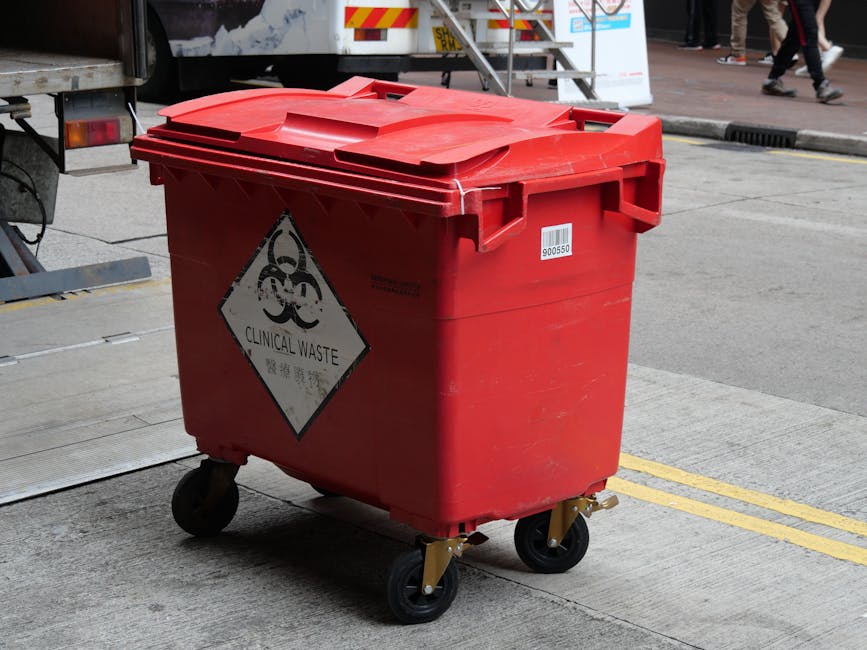
If you are moving home or business premises in Tottenham Hale, hazardous waste is one of those jobs that looks small until it suddenly isn't. A half-full paint tin, an old cleaner, a leaking aerosol, a box of batteries, and a forgotten bottle of bleach can complicate a move very quickly. The Hazardous Waste Rules for Movers in Tottenham Hale are really about one simple thing: making sure dangerous items are identified, handled, packed, transported, and disposed of in a safe, lawful way.
That matters whether you are leaving a flat near Tottenham Hale station, clearing a family house, or relocating an office with old toner cartridges and cleaning chemicals. Done properly, it protects people, avoids contamination, and keeps your move moving. Done badly, it can create delays, fines, refusal of carriage, or a very awkward moment with a van loaded full of items nobody wants to be responsible for. Let's face it, nobody wants that on moving day.
This guide explains what counts as hazardous waste, how movers normally deal with it in practice, the common errors to avoid, and the best ways to prepare before the van arrives. It also covers local moving realities in N17, from tight access and parking pressure to sensible planning around packing, recycling, and disposal.
- Why the rules matter
- How hazardous waste handling works
- Key benefits of getting it right
- Who needs this guidance
- Step-by-step moving advice
- Expert tips and practical shortcuts
- Common mistakes to avoid
- Tools and resources
- Law, compliance, and best practice
- Comparison of handling options
- Real-world example
- Checklist
- Conclusion
- FAQs
Why Hazardous Waste Rules for Movers in Tottenham Hale Matters
Hazardous waste is not just "stuff you should probably not mix with the rest of the boxes." It includes items that can burn, corrode, explode, poison, irritate, or contaminate water and surfaces. In a moving context, that risk grows because items are often knocked, stacked, or tipped. A bottle of solvent may seem harmless until it tips into cardboard and the smell hits the whole load. Not ideal, and definitely not something you want near soft furnishings.
In Tottenham Hale, many moves involve flats, shared entrances, mixed-use buildings, and time-sensitive loading. That means there is less room for error. If dangerous items are left unlabelled, the movers may have to stop, separate them, or refuse them altogether. That can affect timing, costs, and even whether the rest of the move can continue that day.
It also matters from a duty-of-care perspective. Homeowners, tenants, landlords, office managers, and movers each have a role. You do not need to become a waste-law expert overnight, but you do need to know the difference between a standard household item and something that needs special treatment. A little clarity now saves a lot of backtracking later.
If you are also trying to declutter before moving, it helps to read practical decluttering advice for relocation before you start boxing everything up.
How Hazardous Waste Rules for Movers in Tottenham Hale Works
In plain English, the process starts with identification. You separate anything that may be hazardous from your ordinary household or office contents. That means looking in cupboards, sheds, under sinks, garages, utility rooms, and any storage boxes you have not opened in ages. Yes, that dusty corner where old cables and half-empty bottles live. That one.
Once identified, these items should be grouped by type rather than packed randomly. Different hazards behave differently, and some should never be packed together. For example, chemicals and aerosols are not the same as batteries or electrical equipment. Mixing them casually is asking for trouble.
From there, a mover will usually want to know whether they are allowed to carry the items at all. Some companies transport certain low-risk items only if they are safely sealed and declared in advance. Others may not accept hazardous waste at all and will advise you to arrange separate disposal. That is normal. It is not a sign that the company is awkward; it is usually a sign that they are being careful.
When the move is already busy, packing matters too. A smart packing approach reduces breakage and makes inspection easier, which is why many people combine this subject with advanced packing strategies and, for fragile household items, stress-free relocation planning.
Typical categories movers look out for
- Cleaning products, solvents, bleach, drain cleaner, and polish removers
- Paints, thinners, varnishes, adhesives, and aerosols
- Batteries, power packs, and small electronic waste with damaged cells
- Gas canisters, fuel containers, and flammable liquids
- Fluorescent tubes, lamps, and some older light fittings
- Fridge or freezer-related issues if chemicals are leaking or the unit is damaged
- Office items such as toner, ink, and chemical cleaning stock
Not every item in that list needs the same level of handling, and that is where common sense matters. A sealed household cleaner is not the same as an open drum of solvent. Still, the safest route is to flag anything that feels questionable before moving day. If in doubt, assume it needs review.
Key Benefits and Practical Advantages
Following hazardous waste rules is not just about compliance. It makes the whole move smoother. The benefits are surprisingly practical, and you notice them fast.
- Safer lifting and loading: Fewer spills, fewer fumes, fewer surprises in the back of the vehicle.
- Faster removals: The crew can work without stopping to sort out unsafe boxes.
- Lower risk of damage: Chemicals are less likely to ruin clothing, cardboard, upholstery, or wooden furniture.
- Better planning: You know in advance what needs disposal rather than discovering it halfway through loading.
- Less stress on moving day: The job feels manageable, not chaotic.
- Cleaner handover: Especially useful when you are trying to leave a property in good condition.
There is also a financial advantage. A move where hazardous items are identified early is usually more efficient than one where the team has to pause and improvise. And if you are comparing service options, it helps to look at pricing and quotes carefully so you understand what is and is not included.
One more benefit people sometimes miss: better recycling outcomes. Some hazardous materials, especially electronics, batteries, and certain containers, can often be separated for proper treatment instead of ending up mixed with ordinary rubbish. That is where a company with a genuine recycling mindset can make a real difference. You may want to look at recycling and sustainability practices if that matters to you.
Who This Is For and When It Makes Sense
This guidance is useful for almost anyone moving in Tottenham Hale, but some people will need it more than others.
Home movers
If you are moving from a flat, maisonette, or house, hazardous waste often turns up in kitchen cupboards, bathrooms, sheds, and under-stairs storage. Old paint, strong cleaners, and batteries are the usual suspects. Small items add up quickly.
Students and sharers
Shared homes tend to accumulate "someone else's" items. Half-used chemicals, broken tech, and odd bottles appear in drawers like they were hiding. If you are on a deadline, student removals support can be especially helpful for keeping the move simple and tidy.
Office movers
Offices often store toner, cleaning agents, batteries, and old IT equipment. These are not always dramatic hazards, but they still need sorting. Office moves are busy enough without discovering six dead printers and a leaking cleaning cupboard at the last minute. If that sounds familiar, office removals in Tottenham Hale are usually best planned with a clear waste review.
People moving on tight timescales
If you are doing a same-day or short-notice move, hazardous items can become the first bottleneck. They are often the things that cannot simply be thrown in with everything else. In that kind of rush, it helps to review same-day removals options and decide what needs to be removed separately before the van arrives.
Landlords, agents, and property managers
End-of-tenancy clearances often uncover left-behind items. Sometimes it is just a faded bottle of cleaning fluid. Sometimes it is much worse. Either way, the person arranging clearance needs a plan, not guesswork.
Step-by-Step Guidance
Here is a practical way to handle hazardous waste before and during a move. Nothing fancy. Just a steady process that works.
- Walk through the property early. Check kitchens, bathrooms, utility spaces, sheds, balconies, cupboards, and garage areas.
- Separate anything questionable. Put it in one safe, marked place away from general packing.
- Read labels carefully. Look for warnings such as flammable, corrosive, toxic, oxidising, or irritant.
- Keep items upright and sealed. Never pack a leaking container into a box of clothes or books.
- Do not overfill boxes. Heavy chemical containers should not be stacked loosely or wedged against fragile items.
- Tell your movers in advance. Surprises on moving day slow everything down.
- Arrange separate disposal if needed. If an item cannot be moved safely, sort its disposal before the van is loaded.
- Keep children and pets away. This sounds obvious, but it is worth saying. Moving day gets busy, and open boxes invite little hands and curious noses.
A small but useful habit: make a "do not move yet" zone. One corner of a room, one utility shelf, one labelled plastic tub. It keeps hazardous items from wandering into ordinary boxes by accident. People are distracted on moving day; that is just life.
If your move includes large items that are hard to manoeuvre around, you may also find safe lifting techniques for heavy items useful for the rest of the packing process, though hazardous materials should always be handled with extra care.
Expert Tips for Better Results
In practice, the best results come from early decisions and a bit of discipline. Here are the tips that matter most.
1) Sort before you pack, not after
It is tempting to throw everything into boxes and sort it later. That is how hazardous items get mixed into ordinary contents. Do the hard thinking first. Later is too late.
2) Use clear labels that mean something
A label like "kitchen stuff" is not enough if the box also contains old aerosol sprays. Be specific. "Cleaning chemicals - separate" is much more useful.
3) Keep original containers where possible
Original labels reduce confusion and help everyone understand what the item is. If a chemical has been decanted into an unmarked bottle, that is a red flag. Honestly, it is a bit of a headache waiting to happen.
4) Keep batteries and electronics apart from liquids
Mixed storage is one of the easiest ways to create a problem. Batteries, damaged devices, and liquids should not be loosely packed together. No exceptions.
5) Use the move as a reset
Many people discover that half their old cleaning cupboard is expired or unnecessary. Fair enough. A move is the perfect moment to reduce clutter and avoid transporting junk you will never use again.
For household decluttering, a thorough leave-behind cleaning checklist and organising before relocation can support the process neatly.

Common Mistakes to Avoid
A lot of moving problems come from a handful of predictable mistakes. The good news is that they are easy to avoid once you know them.
- Ignoring half-used products: People often forget that nearly empty containers can still be hazardous.
- Packing everything together: A random box of mixed items is difficult to inspect and may be unsafe to carry.
- Leaving sorting until moving day: This creates bottlenecks when time is tight and the van is ready.
- Assuming "household" means harmless: Some standard household items are still hazardous in transit.
- Not telling the mover: This is a big one. Silence creates risk, and risk creates delays.
- Forgetting old storage areas: Sheds, lofts, cupboards, and under-sink areas are common hiding places.
- Putting damaged containers in ordinary boxes: A small leak can ruin much more than the container itself.
Another quiet mistake is trying to solve every disposal issue on the same day as the move. Sometimes that works, but often it just adds pressure. If the schedule is already packed, consider moving some items separately or reducing what you need to transport. A little less can be a lot better.
Tools, Resources and Recommendations
You do not need specialist equipment for every situation, but a few basic tools make the job easier and safer.
- Strong marker pens for clear labelling
- Colour-coded tape to separate ordinary boxes from flagged items
- Heavy-duty plastic tubs for sealed, stable storage of non-leaking items
- Disposable gloves for sorting dusty or residue-covered containers
- Absorbent paper or packing material for stabilising sealed bottles
- Sturdy bin bags for non-hazardous waste that should not go into the move
- Inventory list for tracking what stays, what goes, and what needs separate disposal
For a smoother move overall, it can help to combine hazardous sorting with broader preparation such as advanced packing tactics and the right materials from packing and boxes support.
If you are moving a mix of household contents and large furniture, read about furniture removals in Tottenham Hale and house removals services so you can match the move type to the right level of support.

Law, Compliance, Standards, or Best Practice
Hazardous waste handling in the UK is governed by a combination of legal duties, common industry practice, and safety expectations. For movers, the safest approach is to treat any potentially dangerous item conservatively: identify it, declare it, and separate it where needed. If a mover says they cannot carry a particular item, that usually means the item falls outside their standard transport scope or requires a specialist route.
In practical terms, compliance means three things. First, do not conceal hazardous items among ordinary goods. Second, do not ask a mover to handle something they have not agreed to carry. Third, keep records or notes if you are disposing of waste separately, especially for office or landlord clearances where accountability matters.
Best practice also includes proper packaging, ventilation, and spill prevention. Even if an item seems minor, it can become a problem once it is shaken in transit. That is why reputable movers tend to ask questions rather than just loading everything blindly. It is not fussiness. It is risk control.
For broader reassurance around moving standards, you may also want to review the company's insurance and safety information alongside its health and safety policy. If the process ever needs further clarification, the services overview can help you understand what kinds of support are available before booking.
Options, Methods, or Comparison Table
There are several ways to deal with hazardous items before a move. Which one makes sense depends on what the item is, how urgent the move is, and whether you want to transport it at all.
| Method | Best for | Advantages | Limitations |
|---|---|---|---|
| Carry with mover after declaration | Low-risk, sealed items that the mover accepts | Convenient, less handling by you | Not suitable for all hazardous materials |
| Separate disposal before moving day | Unwanted chemicals, damaged containers, excess stock | Reduces risk and load complexity | Requires early planning |
| Store temporarily and review later | Items you are unsure about but do not need immediately | Buys time for proper decision-making | Only useful if storage is safe and secure |
| Specialist handling or clearance | Office waste, larger volumes, tricky materials | More controlled and compliant | May involve additional arrangements |
In most everyday Tottenham Hale moves, the simplest answer is best: separate the uncertain items, move the safe items, and dispose of the rest properly before loading. That usually keeps the day calm, which is half the battle.
Case Study or Real-World Example
Here is a realistic example, based on the sort of job people deal with all the time in N17.
A tenant moving from a first-floor flat near Tottenham Hale station had already packed most of their belongings. The last cupboard, though, contained old bathroom cleaner, half a tin of paint, a few batteries, and three aerosols that had been forgotten during a spring clear-out. Nothing dramatic on its own. But together, they needed a decision before the van turned up.
Instead of pushing everything into standard boxes, the tenant separated the items into a single clearly labelled tub, kept the liquids upright, and checked which items could be removed from the move entirely. The paint and aerosols were set aside for separate disposal, while the batteries were bagged and kept apart from everything else. The rest of the move went ahead without interruption.
That small bit of prep avoided a mid-loading pause, saved rummaging through mixed boxes, and made the handover calmer for everyone. Truth be told, that is often how successful moves work: not through grand gestures, but through ten sensible little decisions made early. If the move is especially time-sensitive, a page like urgent removals in N17 can be a useful reference point for understanding how last-minute timing affects the plan.
Practical Checklist
Use this checklist a day or two before the move. It is simple, but it catches the things people forget.
- Check under sinks, in cupboards, and in utility rooms for chemicals
- Inspect the shed, loft, balcony, and garage for old containers or fuel-related items
- Separate cleaning products, paint, aerosols, batteries, and electronics
- Keep all containers sealed and upright where possible
- Label hazardous items clearly and store them away from ordinary packing
- Tell your movers about any questionable items before the moving date
- Arrange separate disposal for anything the mover will not carry
- Keep pets and children away from the sorting area
- Do not mix hazardous items with clothes, bedding, or food-related boxes
- Confirm the loading plan so the team knows what stays out of the vehicle
If you are also planning around routes, permits, or building access, local moving logistics can matter just as much as waste handling. Useful background reading includes van permit rules in N17 and parking suspension guidance near High Road Tottenham.
For people with bulky household items to clear as well, bulky waste disposal options in Tottenham Hale can help you separate ordinary large waste from the genuinely hazardous stuff.
Conclusion
The safest way to think about hazardous waste during a move is this: if it can leak, react, burn, corrode, or contaminate, give it proper attention before it goes anywhere near the van. That one habit prevents many of the small disasters that make moving day feel longer than it should.
In Tottenham Hale, where moves are often fast, access can be tight, and every minute counts, clear sorting is not a luxury. It is part of a smooth relocation. Whether you are moving a flat, a house, or an office, the same basic rule applies: identify risky items early, separate them carefully, and only transport what is safe and agreed.
Do that, and you will spare yourself a lot of stress. And perhaps a bit of drama too. Moving is busy enough without a rogue tin of paint joining the party.
If you want support from a team that understands local moving conditions and treats safety seriously, explore the site further, compare the practical guidance, and choose the level of help that suits your move. Small decisions now make a surprisingly big difference later.
Get a free quote today and see how much you can save.

